NADH/NADPH Colorimetric Assay Kits are critical tools in biochemical research for measuring the relative concentrations of Nicotinamide Adenine Dinucleotide (NADH) and Nicotinamide Adenine Dinucleotide Phosphate (NADPH) in biological samples. These reduced cofactors are central to energy metabolism, oxidative stress response, and biosynthetic pathways. Quantifying them with high sensitivity and specificity allows researchers to monitor enzymatic activity, cellular redox state, and mitochondrial health in various model systems.

Background on NADH and NADPH Metabolism
NADH and NADPH play distinct but interlinked roles in cellular metabolism. NADH is primarily involved in catabolic reactions like glycolysis and oxidative phosphorylation. It donates electrons to the mitochondrial electron transport chain, facilitating ATP production. For in-depth information on NADH’s role in oxidative metabolism, refer to the National Center for Biotechnology Information (NCBI).
On the other hand, NADPH is generated in anabolic reactions, most notably in the pentose phosphate pathway. It provides reducing power for biosynthesis and detoxification processes, including glutathione reduction. The NIH offers detailed information on this via the U.S. National Library of Medicine.
Assay Principle
The NADH/NADPH Colorimetric Assay Kit utilizes enzymatic cycling reactions to amplify detection sensitivity. The colorimetric readout is generated through a redox-coupled enzymatic reaction where NADH or NADPH reduces a substrate to produce a colorimetric compound detectable at 450 nm. For reference on enzymatic assay principles, consult MIT OpenCourseWare.
Key Applications
-
Quantitative redox analysis of tissue extracts and cell lysates
-
High-throughput drug screening based on NAD(H)/NADP(H) fluctuation
-
Mitochondrial respiration studies
-
Cancer metabolism profiling
-
Oxidative stress assays in disease models (PubMed)
These applications are critical for studying disease models such as diabetes, cancer, and neurodegeneration. For protocols in metabolic profiling, check out resources from Harvard Medical School and Stanford Medicine.
Kit Features
-
Sensitivity: <1 µM
-
Format: 96-well plate compatible
-
Sample compatibility: Serum, plasma, cell lysates, tissue homogenates
-
Specificity: Differentiates NADH from NAD⁺ and NADPH from NADP⁺
-
Time to results: ~30 minutes
Detailed protocols for sample preparation can be found through the University of Arizona’s Biochemistry Department and UC Davis Genome Center.
Sample Preparation Guidelines
Accurate quantification requires optimized sample handling:
-
Rapid quenching of metabolic activity using acid/base extraction
-
Centrifugation to remove debris
-
Protein removal to avoid interference
For best practices, refer to protocols available at the University of California, San Francisco and the University of Wisconsin-Madison.
Comparison with Fluorometric Kits
While fluorometric assays offer higher sensitivity, they often suffer from photobleaching and require expensive instrumentation. In contrast, colorimetric assays are robust, reproducible, and compatible with most standard plate readers. The NIH Assay Guidance Manual discusses comparative metrics in detail.
Redox State and Disease
Altered NADH/NAD⁺ and NADPH/NADP⁺ ratios are hallmarks of many disease states. For instance:
-
Elevated NADH/NAD⁺ ratio in type 2 diabetes (CDC Diabetes Resources)
-
Reduced NADPH levels in Parkinson’s disease models (NIH Neuroscience Research)
-
Hyperactive NADPH oxidase in cardiovascular disease (National Heart, Lung, and Blood Institute)
Integration with Other Assays
These kits are often used in conjunction with:
-
ATP Assay Kits (NIGMS Biochemical Assay Resource)
-
ROS detection kits (for oxidative stress quantification)
-
Lactate/pyruvate assay kits for redox state inference (NIH Common Fund Metabolomics)
Storage and Stability
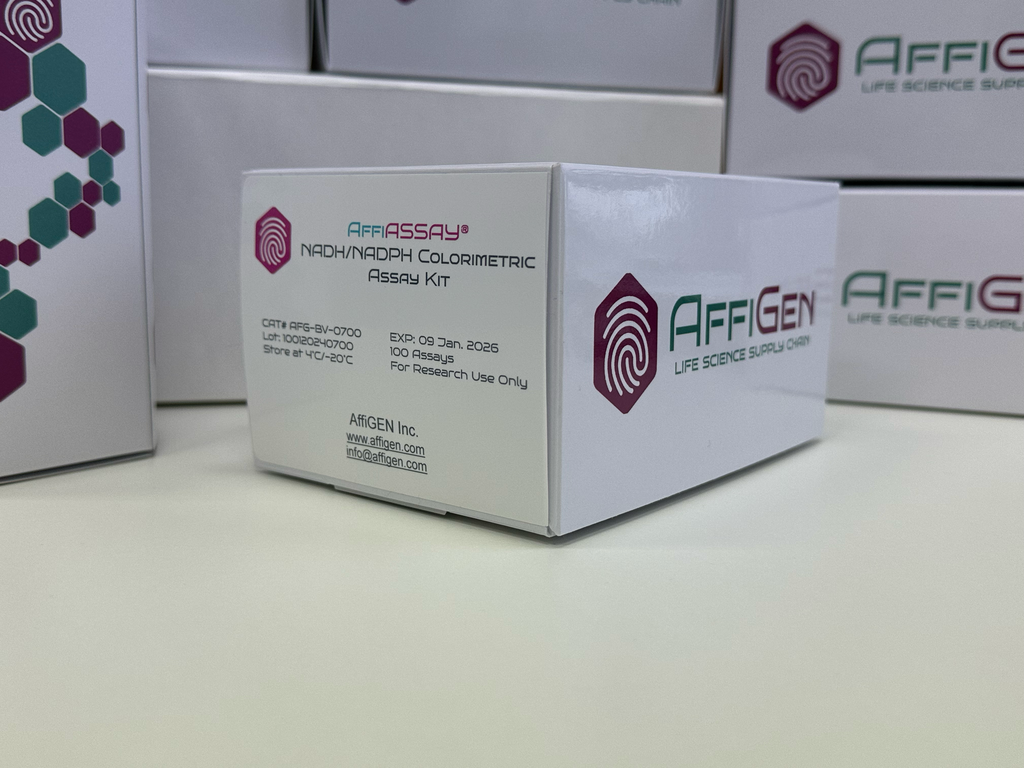
The enzyme mix and detection buffer in the NADH/NADPH Colorimetric Assay Kit should be stored at -20°C. The stability is typically 6 months from the manufacturing date. Refer to biosafety guidelines from the FDA and handling instructions from the NIH Office of Laboratory Animal Welfare.
Publications Using the Kit
Researchers have used this kit for studies such as:
-
Liver metabolism under caloric restriction (Yale University School of Medicine)
-
Neurotoxicity analysis in iPSC-derived neurons (Johns Hopkins University)
-
Mitochondrial dysfunction in cardiac cells (University of Michigan Medical School)
Conclusion
The NADH/NADPH Colorimetric Assay Kit is an indispensable tool for quantitative redox biochemistry. It supports a wide range of applications in clinical diagnostics, metabolic profiling, and drug discovery. Its compatibility with common laboratory equipment and robustness makes it ideal for high-throughput workflows in both academic and industrial research labs.
For more advanced documentation, technical sheets, and troubleshooting, refer to resources from NCBI, CDC, NIH, and university biochemistry departments such as UCLA and University of Texas Southwestern.