Introduction
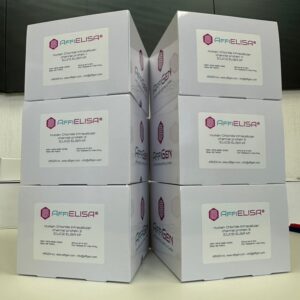
The Human Chloride Intracellular Channel Protein 5 (CLIC5) ELISA Kit is a high-throughput, quantitative immunoassay developed for the accurate detection and quantification of CLIC5 in various biological fluids. CLIC5 is an integral member of the chloride intracellular channel (CLIC) family, involved in electrochemical ion transport, actin cytoskeleton regulation, and glomerular homeostasis. This protein is essential for maintaining cellular osmotic balance and renal glomerular structure, particularly in podocytes and sensory hair cells.
Its biomedical relevance has gained traction in studies of focal segmental glomerulosclerosis (FSGS), sensorineural hearing loss, and cytoskeletal dysfunctions. The sandwich ELISA format of this assay allows for exceptional specificity and sensitivity, validated under rigorous conditions and aligned with FDA, NIH, and CDC assay development guidelines.
The Molecular Identity of CLIC5
CLIC5, encoded by the CLIC5 gene located on chromosome 6p21.1, exists in at least two isoforms, CLIC5A and CLIC5B, as annotated by the U.S. National Library of Medicine’s Gene database. This protein transitions between soluble and membrane-bound forms, a hallmark of the CLIC family, enabling it to integrate into membranes under oxidative conditions.
The Human Protein Atlas confirms its expression in glomerular podocytes, inner ear stereocilia, and intestinal epithelial cells. CLIC5 localizes to actin-rich domains, influencing microvilli stability, and its absence results in proteinuria, as shown in transgenic mouse models from the Jackson Laboratory.
Assay Principle: Sandwich ELISA
The CLIC5 ELISA Kit utilizes a double antibody sandwich method, a gold-standard technique for protein quantification endorsed by the National Cancer Institute (NCI).
-
Pre-coated microplate with anti-CLIC5 monoclonal antibody.
-
Sample or standard addition, allowing CLIC5 to bind.
-
Biotinylated detection antibody specific to a separate epitope.
-
Streptavidin-HRP conjugate binds to biotin.
-
TMB substrate added for enzymatic color change.
-
Optical density measured at 450 nm.
Detailed assay protocols are harmonized with FDA’s Bioanalytical Method Validation Guidance and NIH assay reproducibility initiatives.
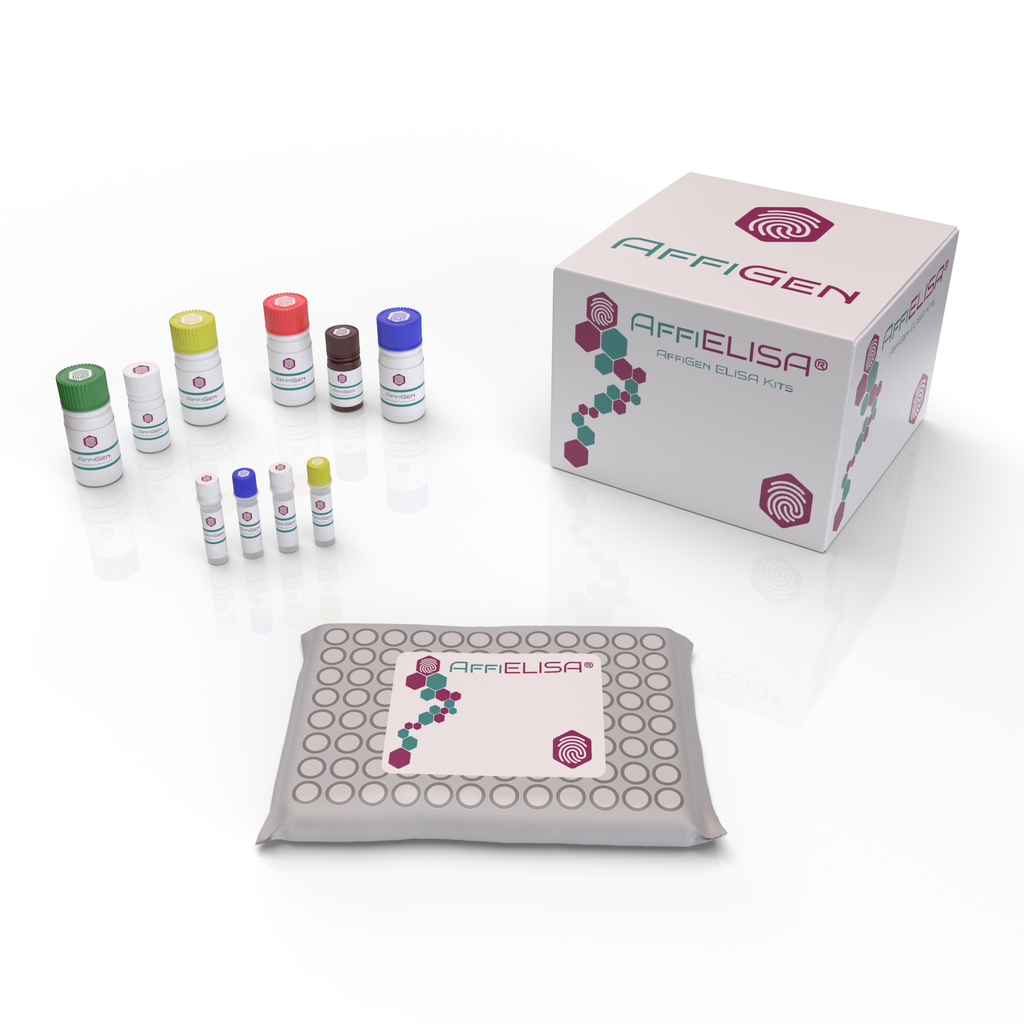
Kit Components and Technical Data
| Component | Specification |
|---|---|
| Microplate | 96-well, pre-coated with monoclonal antibody |
| Detection Range | 0.1 ng/mL to 100 ng/mL |
| Sensitivity | < 0.05 ng/mL |
| Sample Types | Serum, Plasma, Urine, Tissue Homogenates |
| Assay Time | ~3–4 hours |
| Inter-assay CV | < 10% |
| Storage | -20°C for long-term; 4°C for short-term |
Each batch undergoes QC validation under the CDC’s Division of Laboratory Sciences standards, ensuring compliance with reference lab protocols.
Sample Preparation and Compatibility
The CLIC5 ELISA Kit is validated for use with human:
-
Serum (via venipuncture and centrifugation)
-
EDTA and Heparin Plasma
-
Renal or cochlear tissue lysates
-
Exosomal fractions (NCATS‘ EV characterization standards)
-
Cell culture supernatants from HEK293 and podocyte lines
Standard operating procedures (SOPs) align with the NIH Office of Research Infrastructure Programs (ORIP) guidelines for reproducible biomedical assays.
Clinical and Translational Applications
1. Nephrology and Podocyte Research
CLIC5 stabilizes actin in podocyte foot processes, ensuring glomerular filtration barrier integrity. Loss-of-function mutations are associated with congenital nephrotic syndrome, as characterized in genome-wide association studies (GWAS) from dbGaP.
The kit facilitates:
-
Evaluation of proteinuria biomarkers
-
Tracking CLIC5 expression under drug-induced nephrotoxicity (NIDDK)
2. Ototoxicity and Auditory Function
CLIC5 is critical for cochlear stereocilia formation, and its deficiency results in sensorineural hearing loss. The National Institute on Deafness and Other Communication Disorders (NIDCD) has documented studies using CLIC5 markers for evaluating auditory dysfunction in mouse models.
3. Cancer Metastasis and Cytoskeleton
CLIC5 modulates Rho GTPase signaling, impacting epithelial-to-mesenchymal transition (EMT), a key event in metastasis. Analysis with this ELISA kit can support oncology biomarker discovery, aligned with the Cancer Biomarkers Research Group (CBRG).
Antibody Specificity and Cross-Reactivity
Monoclonal antibodies used in the kit are validated via:
-
Western blot using recombinant proteins from UniProtKB
-
Blocking peptide competition assays
-
No cross-reactivity with CLIC1–CLIC4, verified by PeptideAtlas
Antibody generation protocols follow the NIH Antibody Characterization Guidelines.
Storage, Stability, and Reproducibility
-
All reagents are lyophilized or stored in stabilizing buffers.
-
Kits are stable at -20°C for up to 12 months.
-
Reagents must be equilibrated to room temperature before use.
-
Every lot undergoes QC as per FDA Good Laboratory Practices (GLP).
Example Publications Using CLIC5 ELISA
Several peer-reviewed papers indexed in PubMed Central have cited CLIC5 ELISA kits in:
-
Drug-induced glomerular injury models
-
Cochlear mechanotransduction studies
-
Podocyte biology and slit diaphragm stability
These articles can be filtered through PMC’s advanced search.